
One of the things that surprises people when they declutter is discovering that some items can’t simply be passed on to a charity shop or sold online. Not because they aren’t useful or in good condition — but because of regulations that charity shops and second-hand sellers are legally required to follow.
The good news is that most of these things still have somewhere to go. Here is what you need to know.
Soft furnishings without fire safety labels
Sofas, armchairs, cushions, mattresses and upholstered furniture made before 1988 may not carry the required fire safety labels. Charity shops cannot accept these items for resale — and neither can second-hand sellers — because the regulations exist to protect buyers from furniture that hasn’t been tested to modern safety standards.
What to do: Try offering them on Olio or Gumtree, where you are giving or selling directly to an individual who can make an informed choice. If the items are genuinely past it, your local tip will take them.
Toys without CE or UKCA safety markings
Older toys — particularly those made before safety marking regulations came in — cannot be sold or donated for resale because they haven’t been certified as safe for children. Charity shops have to follow the same rules as any retailer.
What to do: Again, Olio or Gumtree are good options for passing them on directly. Alternatively, if you know a family who would be happy to have them knowing their history, pass them on personally.
Knives
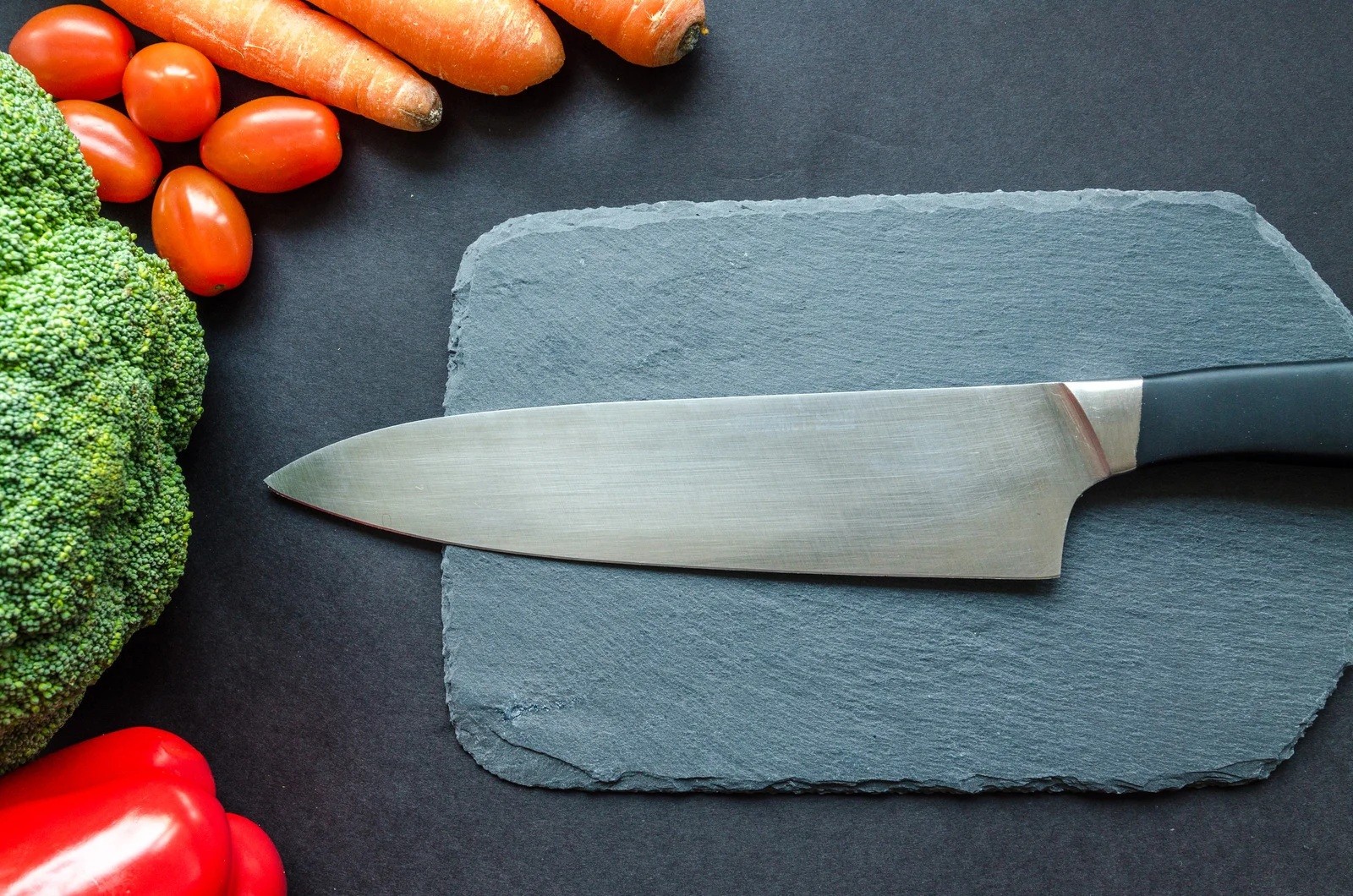
It is illegal to sell knives — including kitchen knives — to anyone under 18, and most charity shops simply won’t accept them because of the difficulty of verifying a buyer’s age. This includes collections, carving sets, and even some decorative blades.
What to do: Good kitchen knives are often genuinely appreciated as a gift to a friend or family member who cooks. If they are not worth passing on, your local household waste and recycling centre (the tip) will take them — wrapped safely, please. What we would say is: don’t let the fact that they are hard to rehome become a reason to keep hold of them indefinitely. They need to move on. And if they are particularly dangerous, take them to a police station where they have a secure knife bin.
Ivory
The sale of ivory is very tightly controlled in the UK under the Ivory Act 2018. In most cases, selling ivory items — even antique ones — is illegal unless they meet very specific exemptions, which are difficult to prove. Charity shops will not touch them, and online platforms prohibit their sale.
What to do: If the item has genuine sentimental value, pass it to a family member or friend who will treasure it. If you are unsure whether a piece qualifies for an exemption, the government’s APHA (Animal and Plant Health Agency) can advise. What you shouldn’t do is let the complexity of the rules become a reason to keep something you don’t actually want.
The common thread
With all of these items, the temptation is to put them back in the cupboard because they feel too difficult to deal with. Please don’t. There is almost always a route forward — it just takes a little more thought than a trip to the charity shop. If you’re stuck, we can help you work out what that route is.